

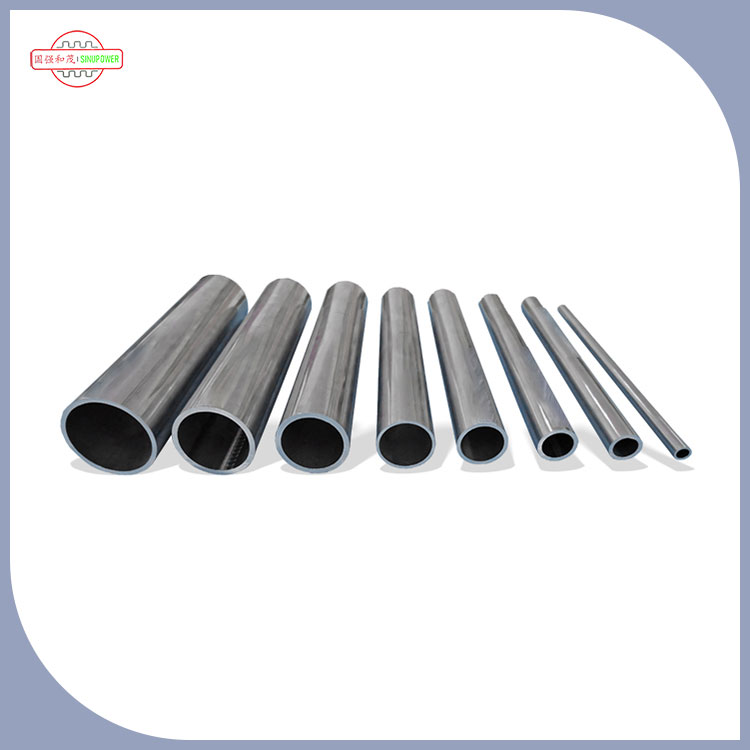
A Round Condenser Tube looks simple—until it starts leaking, fouling, vibrating, or losing heat-transfer efficiency at the worst possible time.
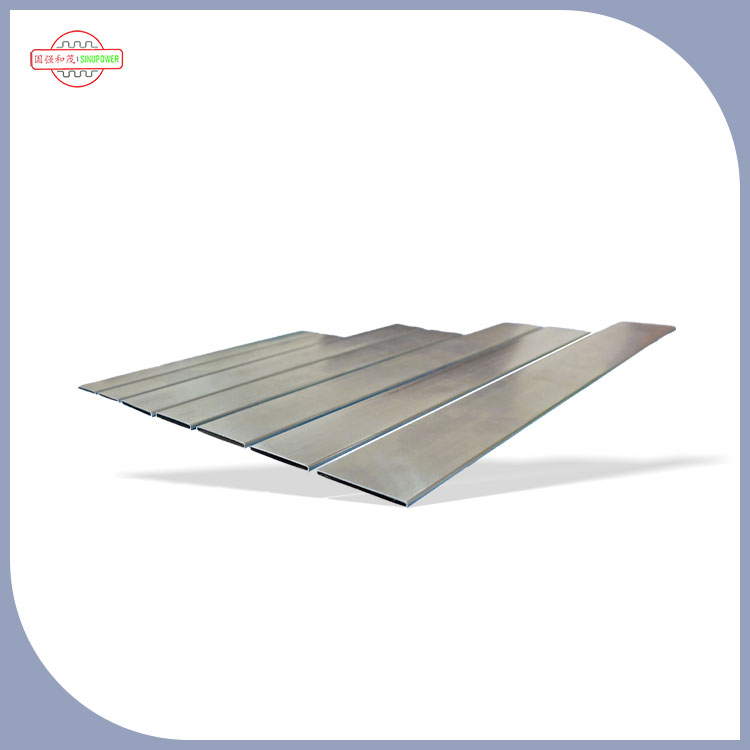
Hourglass Tubes for Radiators, has the core function of enhancing heat transfer, improving structural strength, optimizing assembly and welding, and improving fluid flow. It is widely used in heat exchange cores such as automotive warm air tanks, radiators, and heat exchangers.
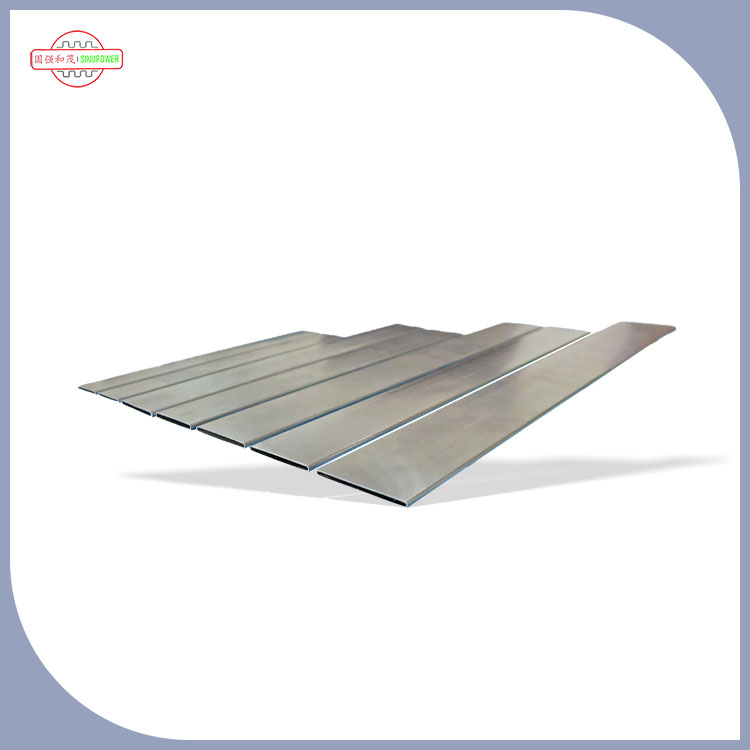
Flat Oval Tubes are widely used in finned-tube heat exchangers because they help balance two things customers constantly fight with: strong heat transfer and low air-side resistance.
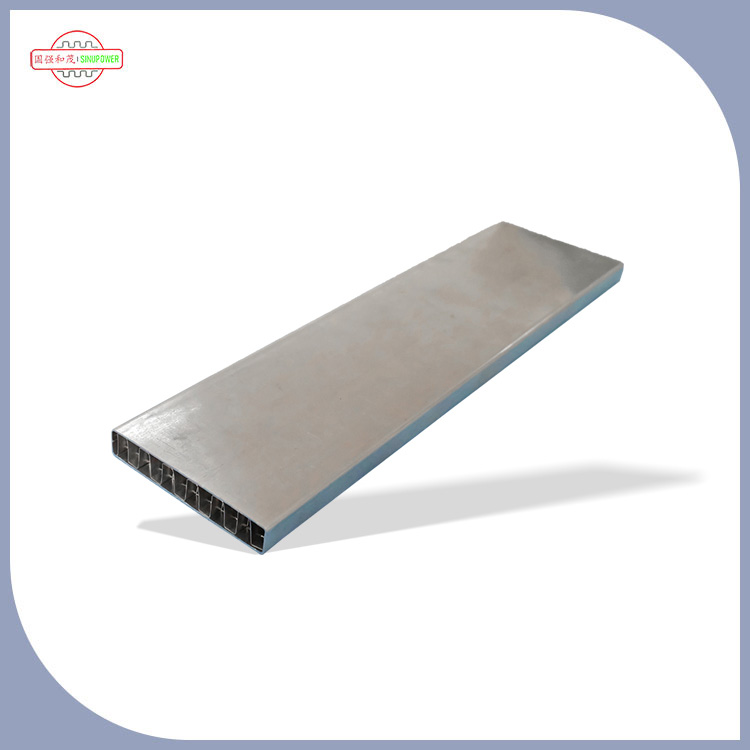
The Charge Air Cooler Tubes (intercooler tube) is the core heat exchange channel of the charge air cooler (intercooler). Through forced convection heat exchange, it cools the high-temperature compressed air discharged from the turbocharger, increases air density and oxygen content, and ensures efficient and stable operation of the engine.
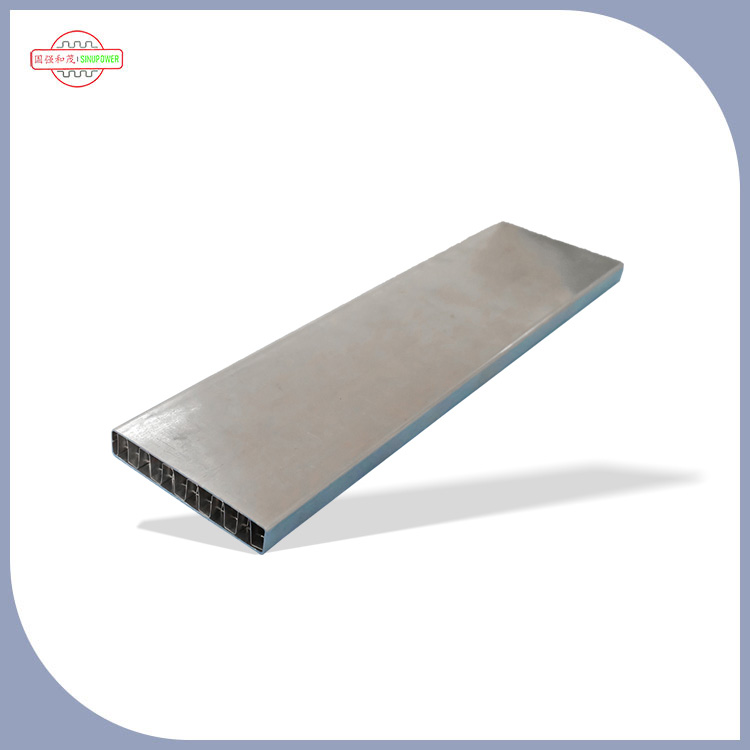
When equipment space is tight and heat transfer targets keep rising, round tubing is not always the best fit.
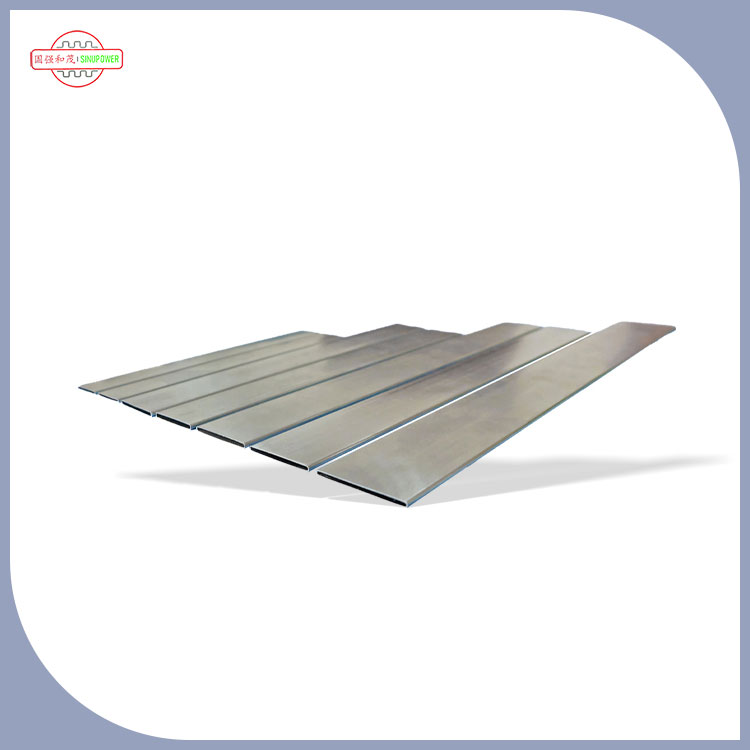
The Hourglass Tubes for Radiators (also known as hourglass shaped heat dissipation tube or irregular rib tube) used in radiators is a special-shaped structure design based on traditional circular tubes, with a cross-section waist and two end expansion ports. Its core advantages are to enhance fluid disturbance inside and outside the tube, improve heat transfer efficiency, reduce ash and scaling, and adapt to narrow spacing/high-density rib layouts. Its adaptation scenarios revolve around high heat transfer requirements, limited space, media prone to ash and scaling, and low airflow/liquid flow rates. It is suitable for both civil HVAC radiators and industrial heat exchange equipment. The following is a detailed adaptation explanation for each scenario, while clarifying the core adaptation logic:


