

A Round Condenser Tube looks simple, but the wrong choice can quietly drain performance through corrosion, fouling, vibration damage, and unexpected leaks. This article breaks down how round condenser tubing actually behaves in operating conditions, how to pick materials and dimensions that match your water chemistry and duty cycle, and how to avoid the procurement traps that cause early failures. You’ll also find a practical checklist, a comparison table of common tube materials, and an FAQ to help you specify and purchase with confidence.
Most teams don’t go shopping for a Round Condenser Tube because it’s exciting. They do it because something hurts:
A round tube is widely used because it is mechanically efficient and compatible with common condenser layouts, but “round” doesn’t mean “forgiving.” Tiny differences in wall thickness, hardness, surface finish, and ovality can decide whether you get years of stable operation or months of repeated repairs.
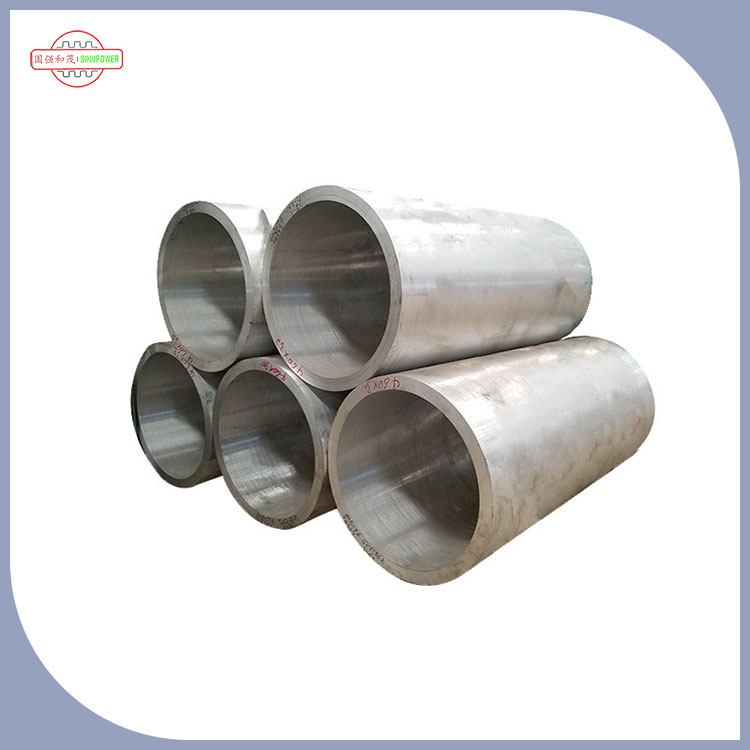
When you specify a Round Condenser Tube, you’re really specifying a performance and reliability package. Here are the attributes that most directly affect outcomes:
A practical way to think about it: thermal performance is what gets you through commissioning; durability is what gets you through the next five summers without panic.
Material choice is where most “it failed early” stories begin. The best alloy depends on your cooling medium (freshwater, brackish, seawater, reclaimed water), treatment regime, and temperature. Below is a working comparison to guide conversations between operations, engineering, and procurement.
| Tube Material | Strengths | Typical Risks | Common Use Cases |
|---|---|---|---|
| Copper / Copper Alloys (e.g., brass, Cu-Ni) | High thermal conductivity, good general corrosion resistance in suitable waters | Ammonia attack in some environments, erosion in high-velocity/dirty water, compatibility concerns with certain treatments | Many legacy condensers, controlled freshwater or suitable seawater conditions |
| Stainless Steel (selected grades) | Strong, widely available, good resistance in many freshwater systems | Pitting/crevice corrosion in chloride-rich water if grade selection is wrong; deposit-related undercutting | Freshwater plants, industrial cooling with stable chemistry |
| Duplex Stainless (selected families) | Improved strength and chloride tolerance versus many standard stainless grades | Requires correct fabrication and quality control; water chemistry still matters | Brackish or higher-chloride cooling water, where standard stainless is marginal |
| Titanium | Excellent corrosion resistance in aggressive waters, long service life | Higher cost; requires correct handling to avoid installation damage | Seawater, harsh industrial cooling, long-life CAPEX planning |
If you’re not sure what’s in your water, don’t guess. Ask for the last 3–6 months of water analysis (chlorides, hardness, alkalinity, dissolved solids, suspended solids, pH, oxidizing biocide use). Many plants also benefit from a short review of past failure samples or tube plug records to identify whether the dominant mode is pitting, erosion, scaling, or microbiological deposits.
If you need a sourcing partner that can support a stable specification and documentation workflow, Sinupower Heat Transfer Tubes Changshu Ltd. is one example of a supplier that focuses on heat transfer tubing for demanding industrial applications, where traceability and consistency matter as much as the material name on paper.
Most buyers focus on OD and wall thickness, then stop. That’s risky because condensers often fail at interfaces: tube-to-tubesheet joints, support plates, and inlet zones.
If you’ve ever seen a project lose days because “the tubes don’t fit the tubesheet holes,” you already know: dimensional discipline is not optional. It’s the cheapest reliability upgrade you can buy.
Fouling is not just a performance issue. It changes corrosion behavior by creating crevices, oxygen concentration cells, and under-deposit chemistry that attacks the tube surface. A Round Condenser Tube that looks perfect at delivery can still fail early if cleaning and treatment don’t match the deposit profile.
Build your tube decision around how you actually clean:
Quick diagnostic signals that you’re fighting fouling:
If fouling is chronic, don’t just “buy a better tube.” Combine a suitable tube material with a realistic treatment and cleaning plan, and specify a surface condition that supports it.
Vibration damage is a classic hidden killer. Even with a corrosion-resistant alloy, vibration can create wear at supports and initiate cracking. Similarly, inlet erosion can thin tube walls rapidly when water velocity is high or when solids are present.
Mitigations often include better flow conditioning, inlet protection strategies, conservative velocity limits, and ensuring the tube’s mechanical properties are appropriate for the duty. For many plants, correcting the “first meter” of flow behavior at the inlet can reduce failures more than any alloy upgrade.
If you want fewer surprises, treat documentation as part of the product. Reliable tube supply typically includes traceability and test evidence that matches the risk level of your service.
One of the most expensive procurement mistakes is accepting incomplete paperwork and “sorting it out later.” Later usually arrives during a shutdown, when time is most expensive.
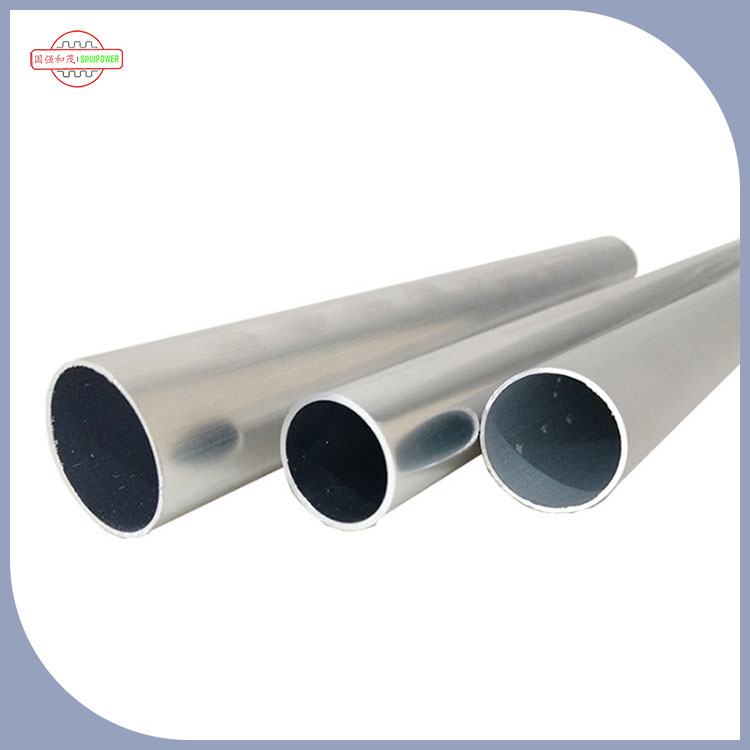
Use this checklist to tighten your specification and reduce rework loops between engineering and purchasing:
If you’re replacing tubes due to repeated failures, add a short “failure history” note to your RFQ: what failed (pitting, erosion, leaks), where it failed (inlet, supports, tubesheet), and how long it lasted. That single paragraph can prevent the next cycle of wrong assumptions.
Q: What is the most common reason a Round Condenser Tube underperforms after installation?
A: Fouling and deposit buildup are the most frequent culprits, especially when cleaning strategy and water treatment don’t match the real deposit type. Small performance losses add up quickly and often mask developing corrosion under deposits.
Q: If my plant uses seawater, do I automatically need a premium alloy?
A: Not automatically, but seawater raises the corrosion stakes. The safest selection depends on chloride level, temperature, oxidizing treatment, and historical failure patterns. Many plants choose higher-resistance materials when the cost of downtime is high.
Q: Why do I see leaks even when the tube material seems correct?
A: Leaks often come from dimensional issues (ovality, OD tolerance), installation practice (rolling/expanding consistency), or tubesheet interface conditions. Material selection matters, but fit and joint integrity are equally decisive.
Q: How many times can condenser tubes be cleaned without damage?
A: It depends on the cleaning method and tube material. Aggressive mechanical cleaning can accelerate wear if not controlled, and chemical cleaning must be compatible with the alloy. The best approach is to define a cleaning method first, then select a tube that tolerates it.
Q: Should I prioritize heat transfer performance or longevity?
A: In a condenser, longevity often protects performance. A tube that starts strong but corrodes or fouls rapidly will lose its advantage quickly. The best choice balances thermal performance with resistance to your dominant failure mode.
Q: What information should I include when requesting a quote?
A: Include tube material, OD, wall thickness, length, tolerances, service medium, water chemistry basics, expected lead time, and required documentation. If you have prior failure details, add them.
If you’re evaluating a Round Condenser Tube for a new build or a replacement project, the fastest path to a stable result is to match the tube to your water chemistry, cleaning method, and failure history—not just the drawing. If you want help translating operating conditions into a clear purchase specification and consistent supply, reach out to Sinupower Heat Transfer Tubes Changshu Ltd. and contact us to discuss your condenser tubing requirements and sourcing plan.


