

The B-Tubes for Folded Radiator plays a core role in carrying out the circulation and heat transfer of the core heat exchange medium, while adapting to the structural characteristics of the folding radiator, taking into account heat transfer efficiency, structural strength, and assembly adaptability. It is the core carrier for achieving heat dissipation function, and its specific function can be disassembled into the following key dimensions:
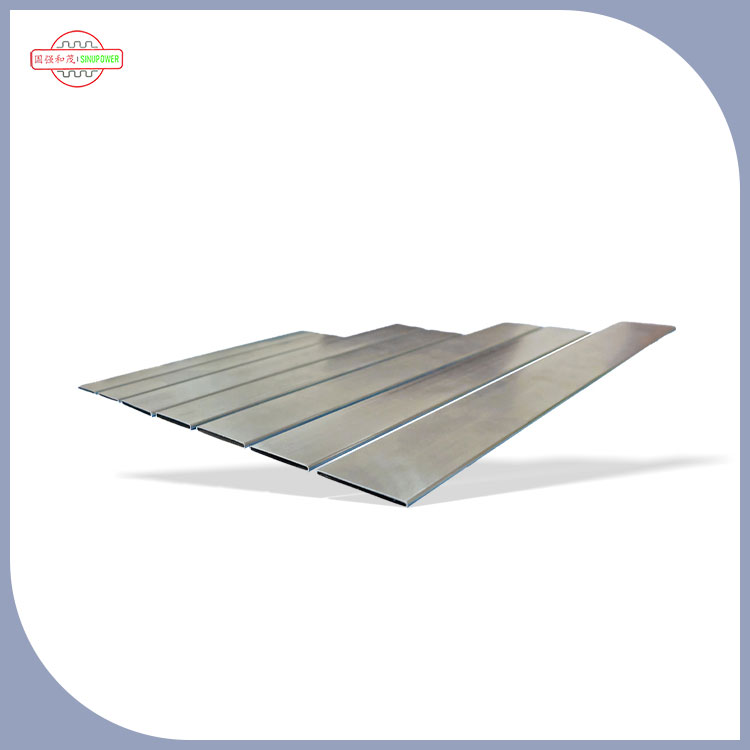
1.Closed circulation channel of core heat exchange medium
As an exclusive flow channel for cooling media such as water, ethylene glycol antifreeze, and thermal oil, it realizes directional circulation of the medium inside the radiator, avoids medium leakage, and ensures stable operation of the closed cycle of the heat dissipation system. It is the "transmission vessel" for heat transfer from the heat source end to the heat dissipation end of the radiator, and all heat transfer behaviors are based on the flow of the medium inside the B tube.
2.Efficient conduction and exchange core of heat
On the one hand, the B tube wall directly contacts the heat exchange components or high-temperature medium at the heat source end, quickly absorbing heat and conducting it to the outside of the tube wall; On the other hand, the outer side of the tube wall is closely attached to the heat dissipation fins of the folding radiator, transferring the absorbed heat to the fins, and then expanding the heat dissipation area through the fins to perform forced convection heat transfer with the air, completing the complete heat transfer process of "heat absorption mass transfer heat release". The thermal conductivity and structure of the tube wall directly determine the basic heat transfer efficiency of the radiator.
3.Assembly and structural support for foldable structures
The core feature of a folding radiator is that the fins are arranged in a folded manner to save space and increase density. The cross-sectional shape and structural dimensions of the B tube are specifically adapted to this folding layout, and can be accurately embedded in the reserved slots or mounting holes of the folding fins, achieving tight assembly between the tubes and fins. At the same time, as the skeleton component of the radiator core, it undertakes the supporting role of the fins and the overall structure, resists medium pressure, assembly stress, and vibration impact during use, ensures the stability of the folding structure, and avoids deformation of the core and separation of the tube and fins.
4.Pressure bearing and sealing protection to ensure system reliability
During the operation of the cooling system, there is a certain pressure inside, and the B pipe needs to have corresponding pressure bearing capacity to withstand the internal pressure generated by the circulation of the medium and prevent pipe wall rupture and leakage; At the same time, the port design of the B-tube is adapted to the water chamber/end cover sealing structure of the radiator, which cooperates with the joints and seals to form a complete closed system, preventing medium leakage, and adapting to the long-term stable operation needs of the folding radiator under different working conditions (such as industrial equipment, new energy batteries, electronic heat dissipation, etc.).
Optimize flow resistance and heat transfer uniformity
The inner diameter, cross-sectional profile, and flow channel design of the B-tube have been optimized to reduce flow resistance and energy consumption of the circulation pump while ensuring medium flow rate. At the same time, the medium flows uniformly inside the tube, avoiding uneven heat transfer caused by local flow velocity being too fast or too slow. Combined with the high-density arrangement of folded fins, the temperature distribution in the heat transfer area of the entire radiator core is more balanced, improving the consistency of the overall heat dissipation effect.
In addition, in response to the lightweight and compact requirements of foldable radiators, B-tubes are usually made of thin-walled and efficient heat exchange materials (such as aluminum alloy and copper alloy), which can ensure heat transfer and pressure bearing capacity while reducing the overall weight of the radiator. This is in line with the design goal of "small volume, high heat dissipation power" of foldable structures and is a key core component for foldable radiators to achieve efficient, compact, and reliable heat dissipation.


