

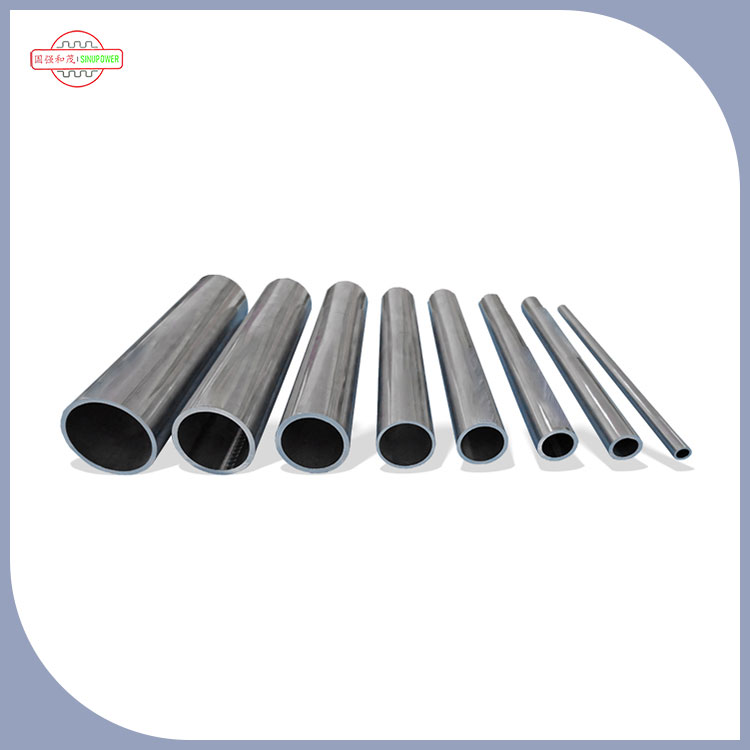
Overall core conclusion: The specialized pipe for High Efficiency Liquid Coolant Flow Battery Tubes is a high-quality insulation material, but the electrolyte circulating inside the pipeline has conductivity. Therefore, the pipe only serves as an isolation and protection function, and the high-voltage insulation guarantee of the entire system cannot rely solely on the pipeline body.
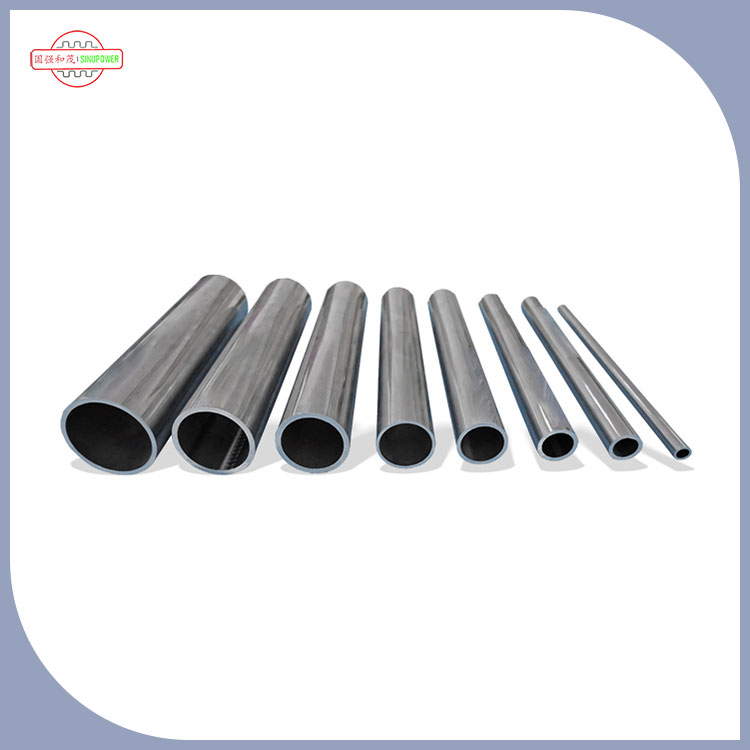
With the rapid development of the long-term energy storage industry, flow batteries such as vanadium, iron chromium, zinc bromide, etc. have been widely implemented in large-scale energy storage projects. The flow battery system is highly sensitive to temperature. If the electrolyte temperature is too high, it can cause electrolyte precipitation, membrane aging, and a decrease in system efficiency; Low temperature will increase the viscosity of the electrolyte, reduce ion migration efficiency, and directly affect the output performance and service life of energy storage power plants.
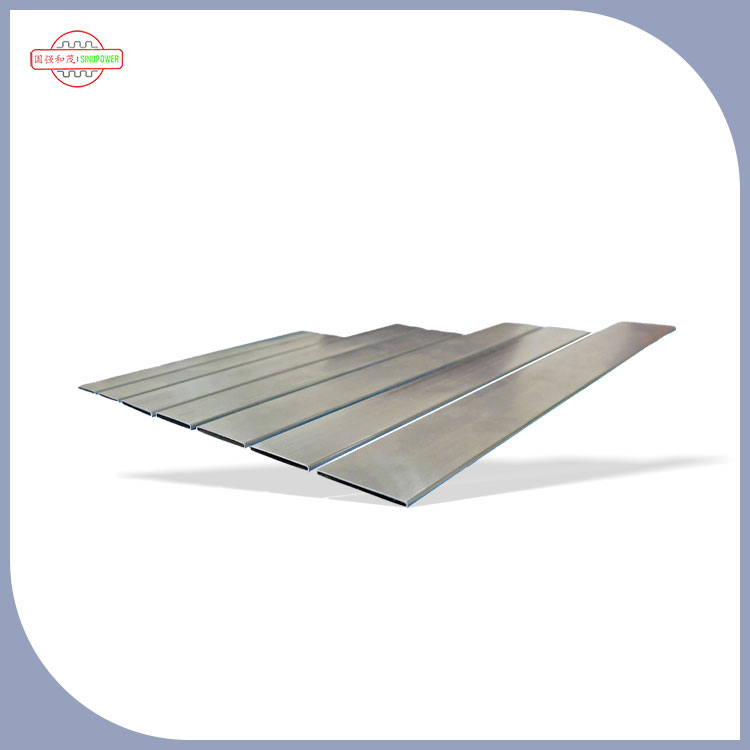
The heater core tube is the core pressure bearing heat exchange component of fluid heaters (water heaters, automotive warm air heaters, industrial heat exchange heaters). Laser welding leak proof connection refers to the use of laser continuous sealing welding between the core tube and the tube sheet/joint, replacing traditional argon arc welding, expansion welding, and brazing, to achieve leak free metallurgical bonding.
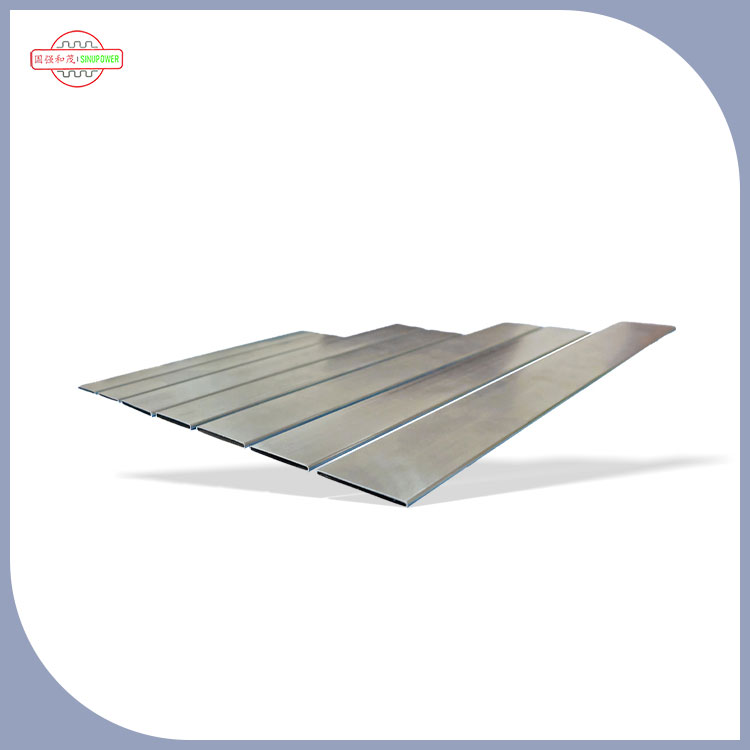
The Precision Folded Radiator Core Component B Type Tubing adopts an aluminum strip roll folding structure, with a reinforced partition in the middle. Compared with traditional seam welded flat tubes, it has stronger pressure bearing capacity, vibration resistance, and higher heat transfer efficiency, and there is no hidden danger of side weld leakage; A liquid cooled radiator core suitable for compact, high load, and long-term vibration conditions, widely used in fields such as road traffic equipment, engineering machinery, new energy equipment, rail transit, and general industrial heat exchange.
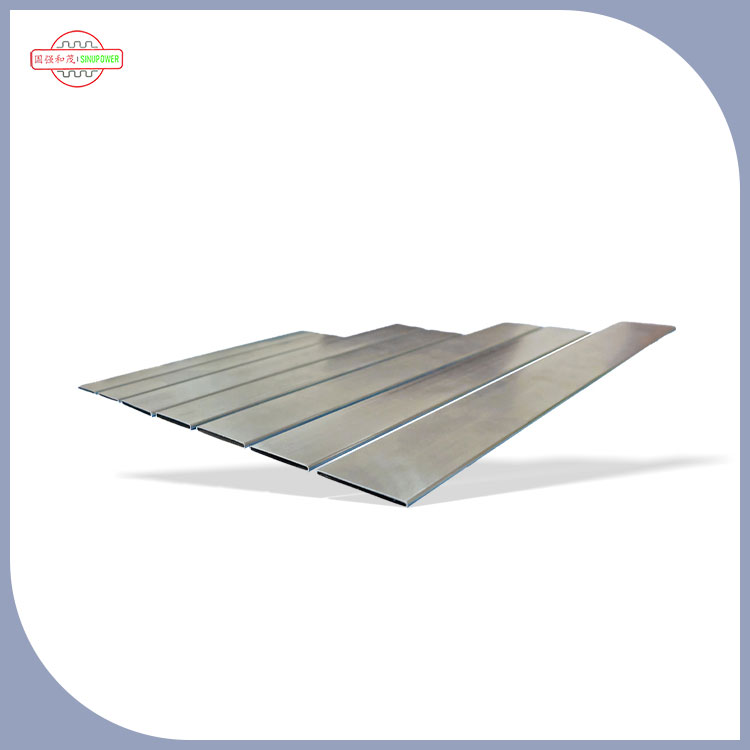
The core principles for Welded B-Type Tubes for Heater Cores are to avoid weld damage throughout the process, strictly control processing and assembly stress, standardize working condition protection, cover the entire process of incoming material control, processing and forming, brazing assembly, system use, maintenance and repair, focus on the two weak links of welds and cavity thin walls, prevent leakage, cracking and other failure problems, and ensure product service life and operational stability.
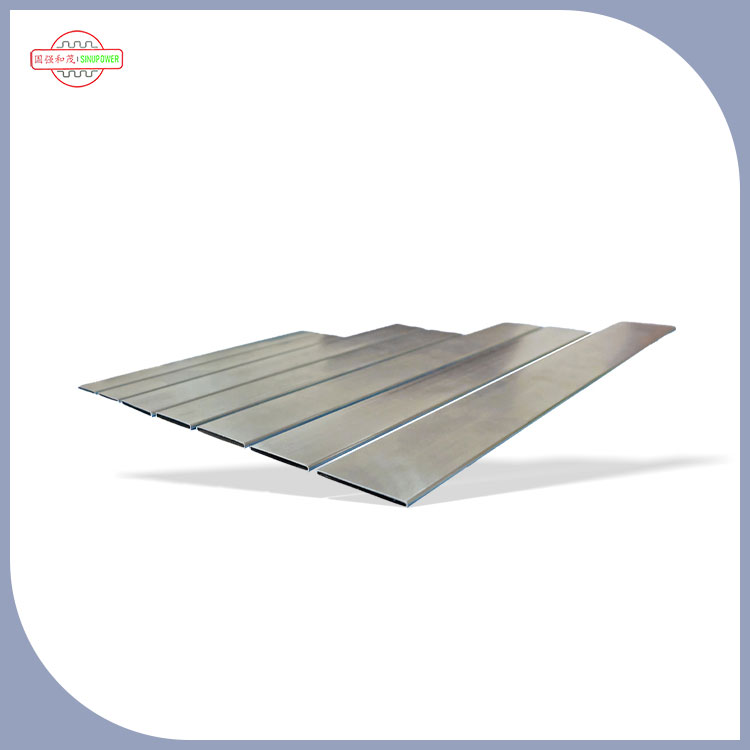
1. Characteristics of pressure conditions The cooling circuit is mostly low-pressure, high flow, with a working pressure of generally 1-6 MPa, and there are oil return shocks and pressure pulses, rather than static constant pressure; It must have the ability to resist instantaneous impact and prevent joint leakage and pipe bursting.


