

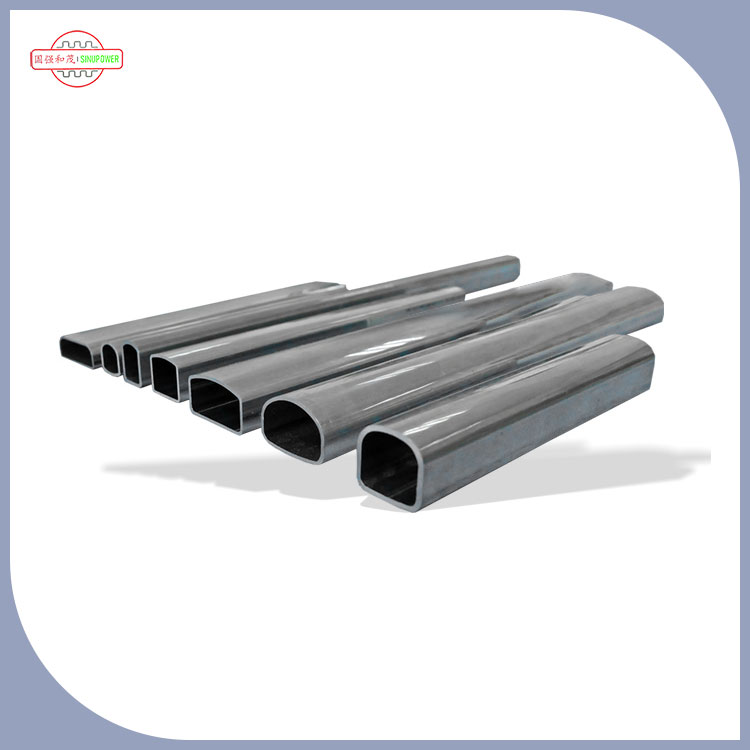
The Lightweight Aluminium Material D-Type Condenser Header Pipes is a flat surface on one side and a curved surface on the other side, paired with a lightweight aluminum alloy substrate (3003/4343 composite aluminum). It is a mainstream current collecting component for parallel flow condensers and new energy vehicle thermal management, divided into five dimensions: material lightweight advantages, D-type structure heat transfer and assembly advantages, mechanical strength and durability, fluid and process compatibility, and cost adaptability
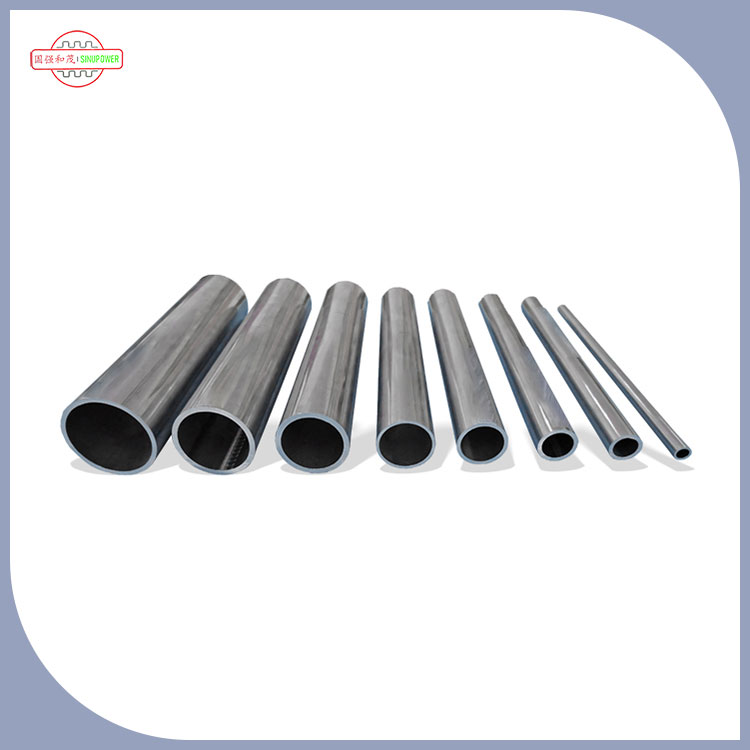
The importance of Battery Thermal Management System (BTMS) in electric vehicles lies in its ability to maintain chemical stability, performance consistency, and operational safety under constantly changing thermal conditions. Efficient Heat Transfer Material Battery Cooling Channels play a key role in shaping how heat is collected, transported, and balanced within the system, directly influencing efficiency and reliability.
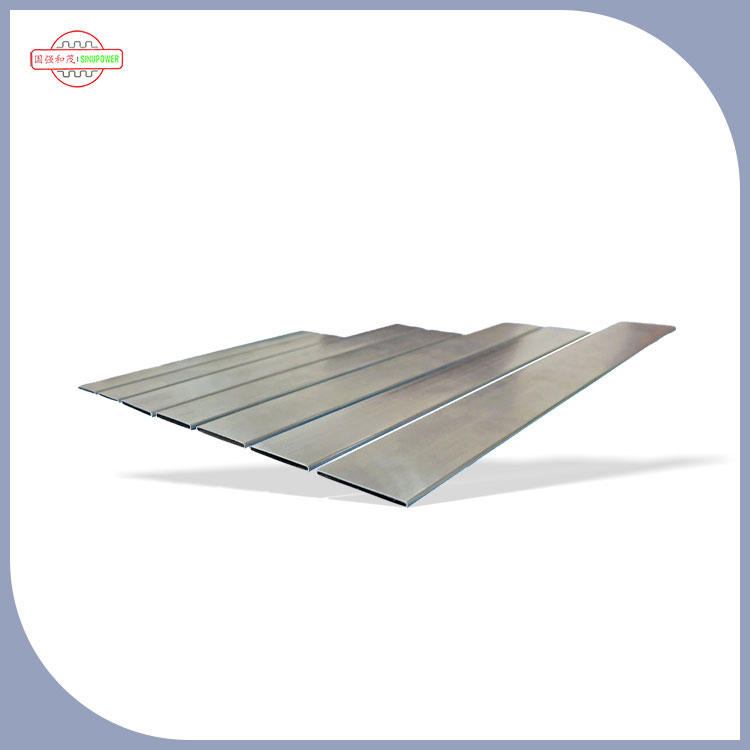
The behavior of Rectangular Tubes during cutting, drilling, and welding is governed by the interaction between geometry, material properties, and process energy. Each stage introduces distinct mechanical and thermal challenges that must be managed to maintain structural integrity and dimensional consistency.
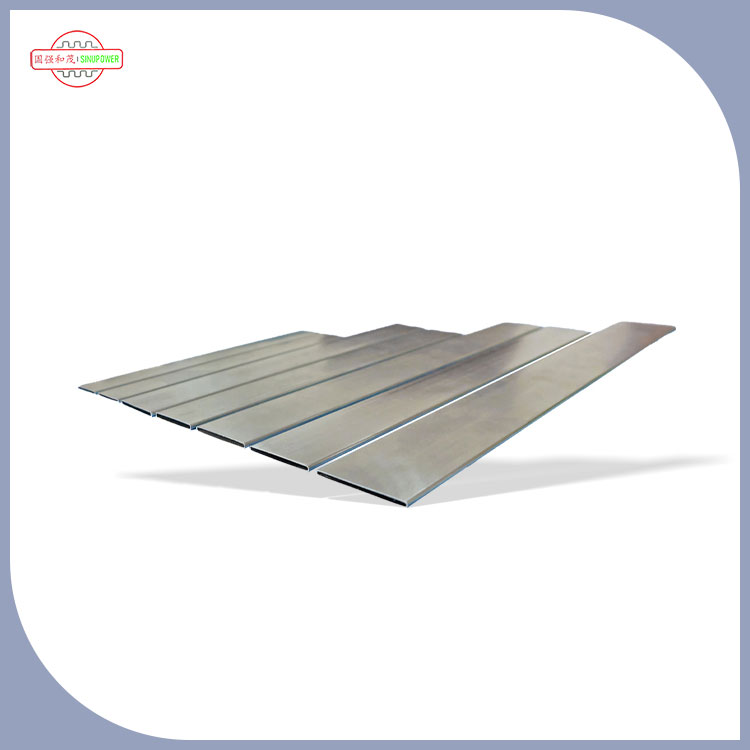
The physics behind waist constriction in tube geometry shows that small structural variations can significantly influence flow behavior, heat transfer consistency, and system stability. By combining pressure cycling, boundary layer disruption, and controlled micro-mixing, Hourglass Tubes for Radiators provide a distinctive approach to thermal management challenges in compact systems.
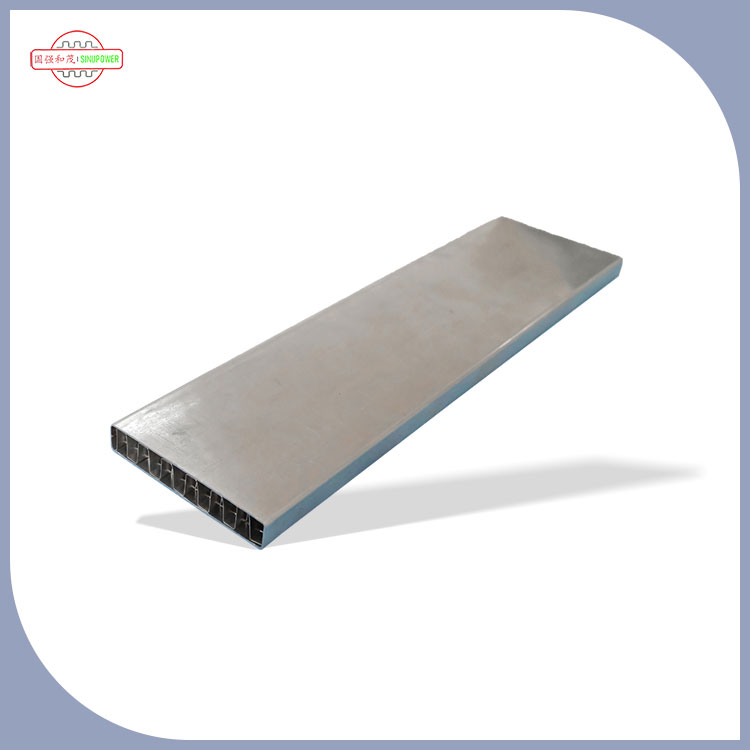
Energy Storage Thermal Management Tubes are fluid transport vessels for large container energy storage, industrial and commercial energy storage, and power battery energy storage liquid cooling and temperature control systems. They are divided into two categories: one is the heat exchange serpentine liquid cooling pipe that is attached to the battery cells inside the module, and the other is the external circulation pipe that connects the battery cluster and the cold and hot exchange unit in series. The core carries cooling liquid (ethylene glycol aqueous solution, insulation cooling oil) for circulation and heat exchange, playing a key role in temperature control, safety, battery life, and system operation from four dimensions.
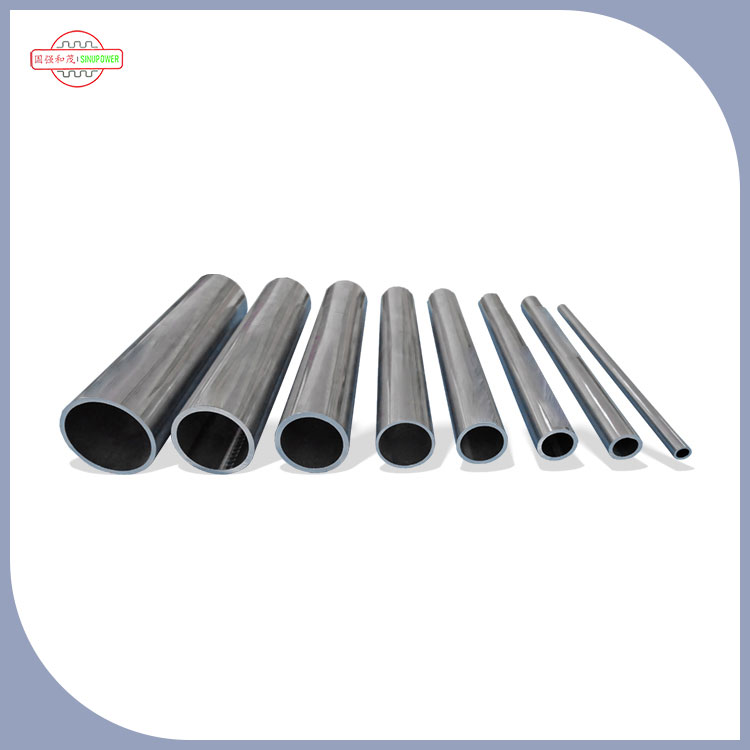
Through controlled deformation, internal dislocation density increases, grain structures adapt, and mechanical resistance improves in a measurable way. These changes form the foundation of modern High Strength Stainless Steel Tubes, which are widely used in demanding thermal and mechanical environments.


