

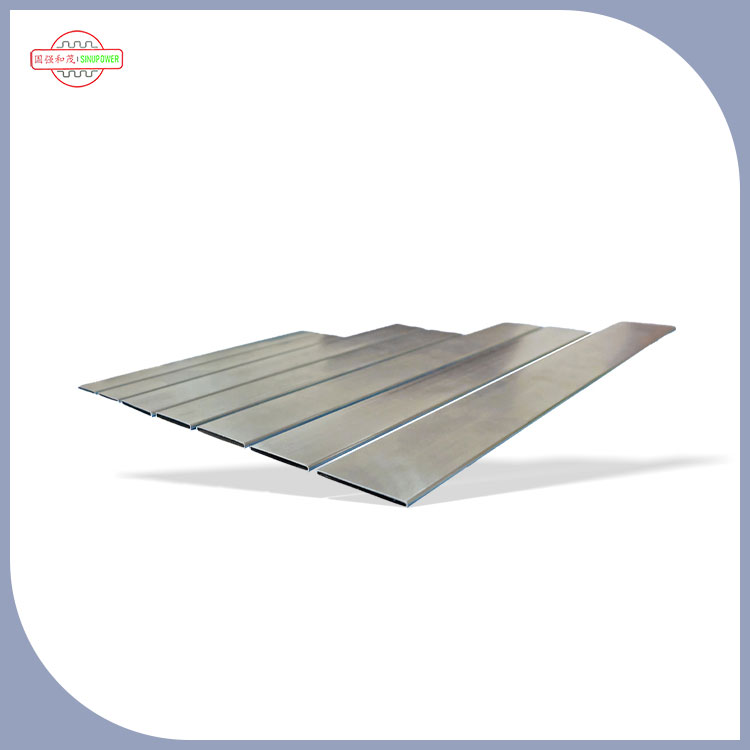
The Precision Folded Radiator Core Component B Type Tubing adopts an aluminum strip roll folding structure, with a reinforced partition in the middle. Compared with traditional seam welded flat tubes, it has stronger pressure bearing capacity, vibration resistance, and higher heat transfer efficiency, and there is no hidden danger of side weld leakage; A liquid cooled radiator core suitable for compact, high load, and long-term vibration conditions, widely used in fields such as road traffic equipment, engineering machinery, new energy equipment, rail transit, and general industrial heat exchange.
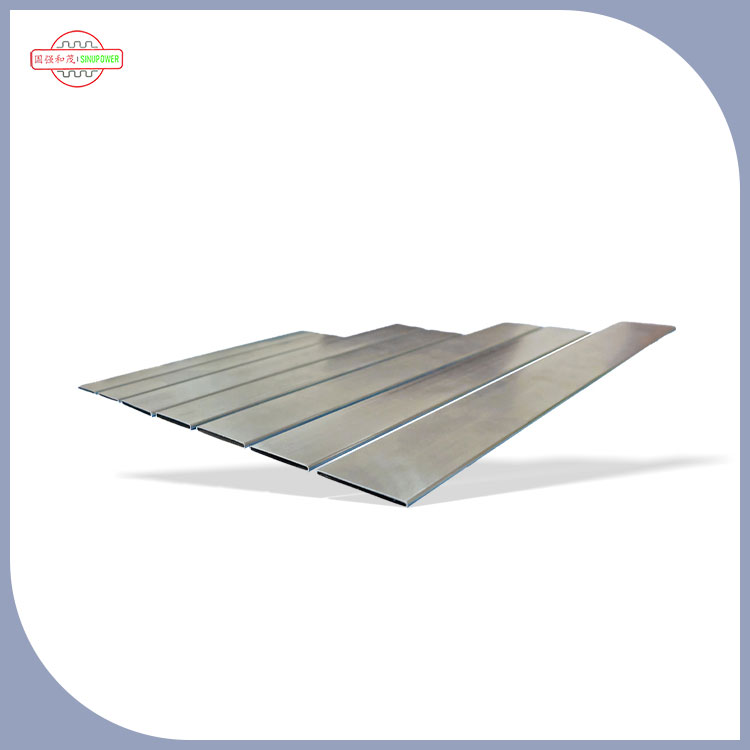
The core principles for Welded B-Type Tubes for Heater Cores are to avoid weld damage throughout the process, strictly control processing and assembly stress, standardize working condition protection, cover the entire process of incoming material control, processing and forming, brazing assembly, system use, maintenance and repair, focus on the two weak links of welds and cavity thin walls, prevent leakage, cracking and other failure problems, and ensure product service life and operational stability.
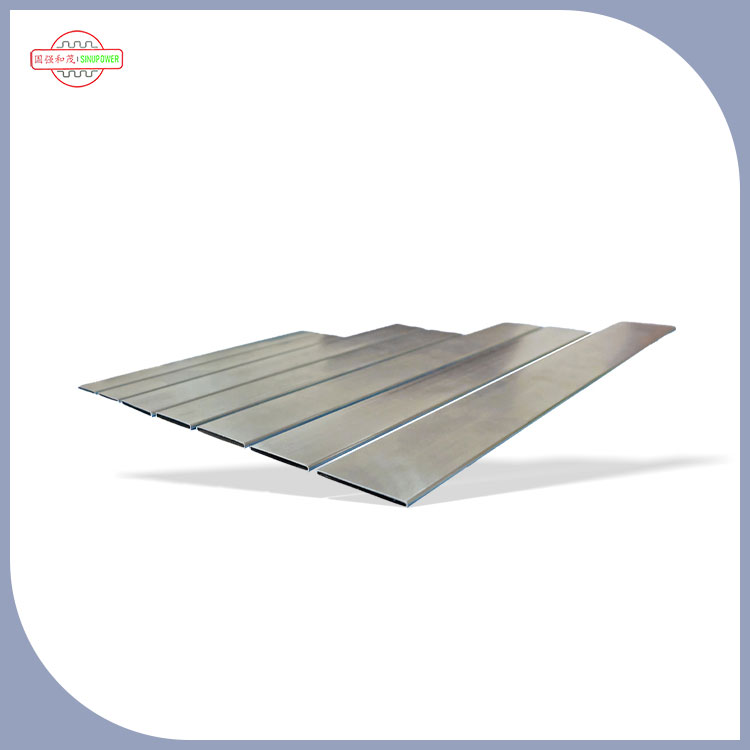
1. Characteristics of pressure conditions The cooling circuit is mostly low-pressure, high flow, with a working pressure of generally 1-6 MPa, and there are oil return shocks and pressure pulses, rather than static constant pressure; It must have the ability to resist instantaneous impact and prevent joint leakage and pipe bursting.
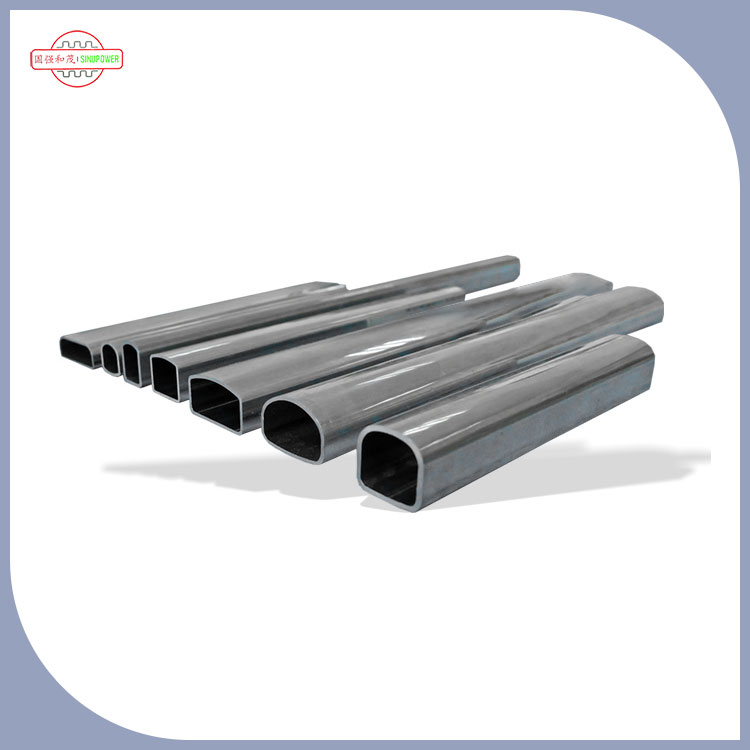
Commercial HVAC System Condenser Header Pipes are divided into inlet headers and outlet headers, widely used in commercial chillers, air-cooled screw/vortex units, air-cooled modules, and VRF multi split outdoor units. They are the collection and distribution pipelines at both ends of the condenser bundle.
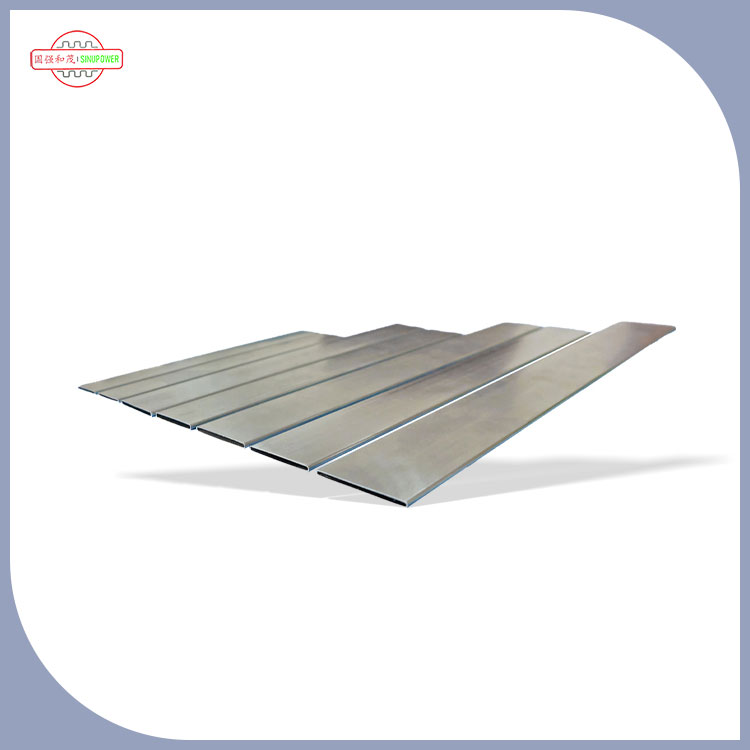
1、 Storage and incoming material protection Thin walled pipes with weak strength in the weld area should be stacked flat. Single point compression, trampling, and heavy weight should be avoided to prevent deformation of flat pipes and micro cracks in the weld seam.
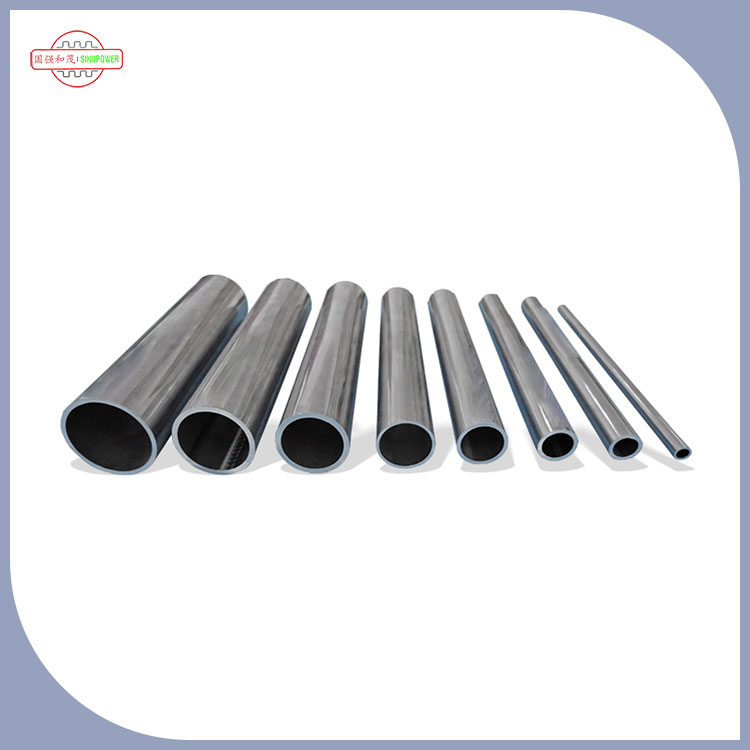
1. Transport coolant to complete heat transfer (core function) Pipeline transportation of water ethylene glycol coolant, flowing through the heat exchanger and outer wall of the fuel cell stack, carrying away Joule heat generated by electrolyte charging and discharging; Transport high-temperature heat to external heat dissipation equipment and control the stack and electrolyte within the optimal working range of 25-35 ℃. High temperature can cause ion exchange membrane expansion, electrolyte deterioration, and decreased battery efficiency.


