

Directory
If your condenser keeps losing vacuum, chewing through tubes, or building stubborn scale that turns cleaning into a recurring outage, you’re not alone. Many plants focus on “better material” first, but geometry and fit can be just as decisive. A D-type Round Condenser Tube is often selected when teams need higher packing efficiency, steadier heat transfer, and a more predictable maintenance cycle without tearing up the whole condenser design.
This article breaks down what buyers typically get wrong (and how to avoid it), how to match tube choices to cooling-water reality, and what to ask for so you don’t pay twice—once for tubes, and again for downtime.
Condenser tube issues rarely arrive politely. They show up as missed generation targets, unstable backpressure, and that familiar “small leak that becomes a big outage.” Before you decide whether a D-type Round Condenser Tube is the right move, map your pain to a cause:
Quick reality check: If your team’s “root cause analysis” ends with “bad tubes,” you’re missing the real story. The tube is the victim. The operating environment is usually the suspect.
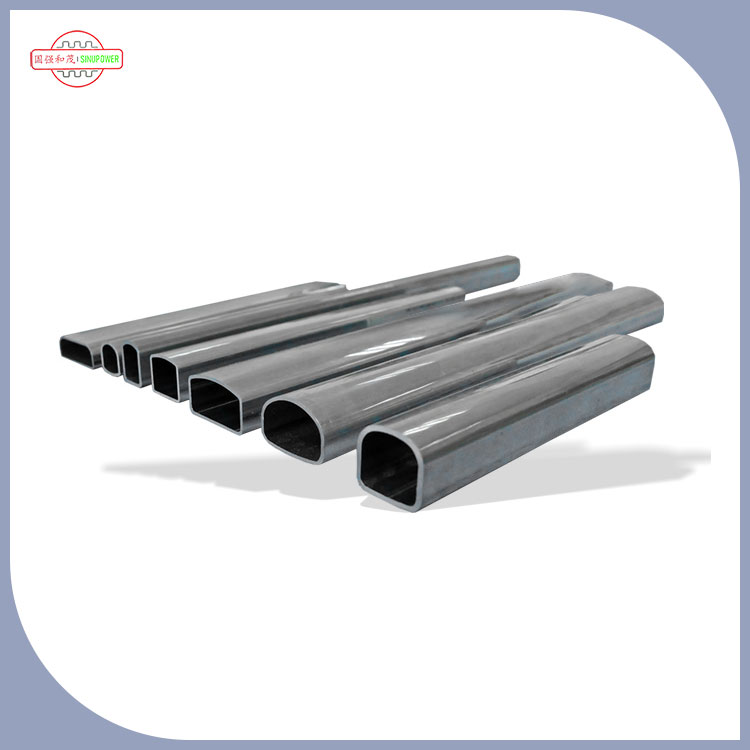
In real purchasing conversations, D-type Round Condenser Tube typically refers to condenser tubing designed to improve bundle packing and flow behavior while keeping manufacturing and installation practical for industrial maintenance teams. The “D-type” idea is about geometry and how tubes sit in the bundle; the “round” part reflects the industry’s preference for proven rolling/expanding practices and compatibility with standard condenser hardware.
The practical benefit is not “magic heat transfer.” It’s that geometry can help you:
Buyers often focus on alloy grade, then wonder why performance still drifts. Geometry and layout affect how cooling water moves, how deposits form, and how the tube bundle handles real-world stress.
| What you’re fighting | How geometry helps | What you should confirm |
|---|---|---|
| Uneven flow & local overheating | Improved packing and flow paths can reduce “dead zones” where fouling accelerates. | Bundle layout constraints, tube pitch, and compatibility with existing tube sheets. |
| Frequent cleaning outages | Better access and predictable deposit patterns can lower cleaning time per outage. | Cleaning method (sponge ball, brush, chemical), allowable wear margin, and surface finish. |
| Tube-end leakage | Stable geometry supports consistent expansion/rolling at the tube sheet. | Tube-end prep, straightness, and tolerances for rolling/expanding. |
| Vibration wear | Optimized fit at supports reduces micro-movement that becomes fretting damage. | Support plate condition, clearances, and expected velocity/vibration environment. |
In other words: a D-type Round Condenser Tube can be the “layout lever” you still have when the rest of the condenser is basically fixed.
Material selection is where budgets and chemistry meet. The mistake is choosing what’s common in your region rather than what matches your actual cooling-water profile and operating conditions. Here’s a practical way to think about it:
No matter what alloy you choose for a D-type Round Condenser Tube, ask one uncomfortable question: “What failure mode are we preventing, specifically?” If the answer is vague, you’re buying hope, not risk reduction.
Fouling is a performance tax you pay every day. The problem is that many cleaning methods trade short-term recovery for long-term damage. If you’re cleaning aggressively, your tubes may “look fine” until they don’t—and then you get sudden leaks.
Practical cleaning strategies to align early:
A well-chosen D-type Round Condenser Tube should support your preferred cleaning approach—not force you into a new one that your site can’t sustain.
If you’ve seen tubes fail “too early,” do not underestimate vibration and erosion. High velocity zones, poor support contact, and debris can create a perfect storm: micro-wear becomes thinning, thinning becomes a leak, and suddenly you’re plugging tubes while asking procurement why lead times are so long.
What to check before you blame the tube:
When these factors are controlled, a D-type Round Condenser Tube can deliver stable service life instead of “surprise failures.”
When teams request condenser tubes, the first RFQ often reads like “send your best price.” That’s how you end up comparing apples, oranges, and a banana that someone painted silver. Use this checklist instead:
| Specification item | Why it matters to your downtime risk |
|---|---|
| Tube OD, wall thickness, length, and tolerance | Fit at tube sheet and supports; tolerance drift can cause rolling problems or vibration wear. |
| Material grade and heat/lot traceability | Lets you verify consistency and investigate quickly if failures occur. |
| Surface finish and cleanliness | Impacts fouling tendency, cleaning effectiveness, and under-deposit risks. |
| Tube-end preparation | Directly affects expansion/rolling quality and tube-sheet sealing. |
| Inspection and testing requirements | Prevents installation of defects that become leaks after commissioning. |
| Packing and transport protection | Prevents denting, contamination, and end damage before installation. |
If you’re sourcing a D-type Round Condenser Tube, this is the difference between “lowest price” and “lowest total pain.”
A tube that looks perfect can still fail in service if the wrong defect slips through—especially tiny discontinuities that grow under vibration, chlorides, or thermal cycling. Strong suppliers support you with both tests and paperwork that maintenance and QA teams can use.
Common safeguards buyers request for condenser tubes:
This is where Sinupower Heat Transfer Tubes Changshu Ltd. becomes relevant: when you’re buying condenser tubes, you don’t just need a product—you need a process that reduces uncertainty. A supplier that can align documentation, inspection expectations, and delivery discipline with your outage plan is often worth more than a small unit-price difference.
If your project is an upgrade or replacement, your biggest risk is mismatch: tubes that arrive on time but don’t install smoothly, or tubes that install smoothly but don’t survive your water chemistry.
Simple practices that save real money:
My blunt take: A D-type Round Condenser Tube is a great choice when it’s part of a complete “tube + operating reality” decision. If it’s used as a band-aid for untreated water problems, you’ll still be back here next outage.
Q: How do I know if a D-type Round Condenser Tube is right for my condenser?
A: Start with your constraints: can you change the tube sheet or shell? If not, geometry that improves packing and
stabilizes bundle performance can be valuable. Then confirm your dominant failure mode (fouling, corrosion, vibration, or mixed)
and match geometry + material to that reality.
Q: Will changing to a D-type Round Condenser Tube automatically improve heat transfer?
A: It can help, but the biggest wins often come from reduced fouling and more uniform performance over time.
If your water quality drives heavy deposits, the “maintainable performance” benefit can matter more than day-one numbers.
Q: What information should I include in an RFQ to avoid wrong quotes?
A: Provide OD, wall thickness, length, material grade, tolerances, tube-end requirements, inspection/testing expectations,
packaging needs, and your cooling-water conditions. The more precise you are, the fewer “surprises” at installation.
Q: What causes tube leaks most often in real operations?
A: Common causes include crevice corrosion near tube sheets, under-deposit corrosion, erosion at high-velocity zones,
vibration wear at supports, and damage from aggressive cleaning. Leaks are usually the final symptom, not the first problem.
Q: How can I reduce cleaning frequency without gambling on performance?
A: Combine better filtration, a realistic cleaning plan, and tube selection that suits your deposits. If you can keep deposits
soft and thin, cleaning becomes faster and less destructive—often the best long-term outcome.
If you’re comparing options for a D-type Round Condenser Tube, don’t settle for a quote that only lists a size and a grade. The best results come from matching tube geometry, material, and inspection requirements to your actual operating conditions—so you get fewer leaks, fewer emergency cleanings, and a condenser that behaves predictably across the season.
Sinupower Heat Transfer Tubes Changshu Ltd. can support technical discussions, specification alignment, and practical supply planning for condenser tube projects. If you want a recommendation that fits your water chemistry, outage schedule, and bundle constraints, contact us and share your operating data—your next outage plan will thank you.


