

Condenser tubes look “simple” on paper—until a single mismatch in material, tolerance, or surface condition turns into repeated cleaning, surprise leaks, or a capacity drop you can’t explain. This guide breaks down how to select a Round Condenser Tube that fits your water chemistry, operating conditions, and maintenance reality.
If you only remember four things:
Buyers usually feel pain in three places: performance, maintenance, and accountability. A tube that looks fine at receiving can still trigger hidden losses once the unit is running. The classic symptoms are a rising approach temperature, a higher pressure drop, or a steady decline in output that forces operators to “work around” the problem.
Here’s what typically goes wrong when a Round Condenser Tube isn’t truly matched to the application:
The takeaway: choosing a tube isn’t just a “material decision.” It’s a reliability decision that influences your cleaning frequency, unplanned shutdown risk, and total cost of operation.
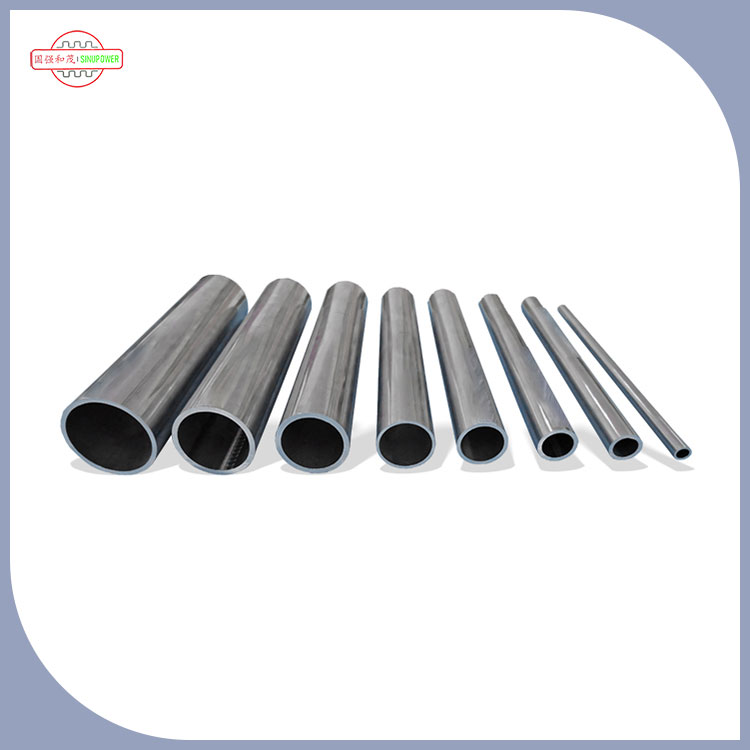
A Round Condenser Tube is a precision round tube designed to transfer heat efficiently in a condenser or shell-and-tube heat exchanger—often in power generation, petrochemical plants, HVAC chillers, desalination systems, and industrial process cooling. In many systems, tubes are expanded into tube sheets and exposed to cooling water on one side while condensing vapor or cooling process fluids on the other.
Condenser tubes operate in a harsh, real-world environment: fluctuating flow, periodic chemical treatment, variable temperatures, and sometimes imperfect water quality. That’s why buyers should think beyond “will it fit?” and ask “will it keep performing after 12–24 months of service?”
A practical definition:
A condenser tube isn’t just a tube. It’s a heat-transfer surface, a pressure boundary, and a sealing interface—all at once. Your selection must respect all three roles.
Material selection is where most lifecycle cost is decided. The “right” choice depends on your cooling medium (fresh water, brackish water, seawater, treated water), chloride level, pH range, dissolved oxygen, solids content, and flow velocity. If you’re unsure, choose based on the worst credible operating condition—not the best day in the lab.
| Material family | Where it usually shines | Common risk if misapplied | Buyer notes |
|---|---|---|---|
| Carbon steel | Cost-sensitive closed-loop systems with good water treatment | General corrosion, under-deposit corrosion | Great value only when water control is strong and consistent |
| Stainless steel (austenitic) | Moderate corrosion environments, many industrial cooling loops | Chloride pitting/crevice corrosion | Confirm chloride limits, temperature, and crevice conditions at tube sheet |
| Duplex stainless steel | Higher chloride tolerance and improved strength | Incorrect fabrication/heat input causing property loss | Insist on process control and documentation for welding/heat treatment steps |
| Copper alloys | Excellent heat transfer, some seawater applications | Ammonia attack, erosion in high velocity | Great performance when chemistry is compatible and velocity is controlled |
| Titanium | Seawater and aggressive chloride environments with high reliability needs | Higher upfront cost; galling risk during handling | Often pays back through reduced failures and longer service intervals |
Most purchase orders list OD, wall thickness, and length. Good ones also control the “silent killers” that determine installation success and sealing stability. When tubes are expanded into tube sheets, small deviations can create stress concentrations, uneven contact pressure, or micro-gaps that become leak paths over time.
Buyer move that saves time:
Ask your supplier to confirm how they measure ovality and straightness (method + sampling plan). Two suppliers can claim the same tolerance while measuring it differently.
You can’t fully “design out” corrosion or fouling, but you can dramatically reduce how often they force intervention. The key is to align tube material, water treatment, and operating practices—then set practical maintenance triggers.
Use these field-proven levers:
For many operators, the goal isn’t “never clean.” It’s predictable cleaning cycles and stable output between planned outages. The right Round Condenser Tube selection makes that realistic.
A dependable supplier doesn’t just ship tubes—they ship confidence. That means consistent process control, documented inspections, and traceability that helps you troubleshoot quickly if anything goes wrong.
| Check | What it protects you from | What to request on paperwork |
|---|---|---|
| Dimensional inspection (OD/WT/length/ovality) | Fit-up issues, sealing inconsistencies, excessive scrap | Inspection report with sampling plan and measuring method |
| Non-destructive testing (as applicable) | Hidden defects that become leaks in service | NDT method, acceptance criteria, and results summary |
| Hydrostatic or pressure-related verification (as applicable) | Early-life failures, weak tube batches | Test conditions and pass/fail confirmation |
| Material traceability | Grade confusion, inconsistent corrosion performance | Heat number traceability and material certificate set |
| Cleanliness and packaging control | Installation damage, contamination-driven fouling | Packaging specification and handling notes |
Fast test for supplier maturity:
Ask how they isolate nonconforming tubes (and how quickly they can provide replacement). A good answer is specific, not vague.
Many delays happen because buyers send only “OD × WT × length,” then spend days clarifying grade, tolerance, and inspection expectations. A clear spec shortens lead time, reduces misunderstandings, and protects you if performance issues appear later.
Include these items in your PO:
The most practical definition is simple: a partner who helps you prevent surprises. That means consistent tube quality batch after batch, transparent documentation, and realistic lead times. It also means they can talk about your application in plain language—cooling water conditions, installation method, and expected maintenance intervals— rather than only repeating generic product claims.
Sinupower Heat Transfer Tubes Changshu Ltd. supports buyers who need condenser tubes that perform beyond first installation—by focusing on dimensional consistency, material traceability, and disciplined handling so tubes arrive ready for efficient fit-up. When you’re purchasing for uptime, those “unsexy” details are exactly what protect your operation.
A buyer’s mindset that works:
Don’t ask only “what’s the price?” Ask “what will it cost me if the tubes don’t hold up?” The right supplier helps you answer that honestly.
Q1: How many times can a condenser tube bundle be mechanically cleaned?
A: It depends on material, wall thickness margin, and your cleaning method. If you anticipate frequent mechanical cleaning, select a tube that can tolerate it and define a monitoring plan (wall loss checks, performance trend tracking) so you don’t “clean your way into a leak.”
Q2: What’s the most common cause of early tube leaks?
A: Installation-related stress combined with dimensional issues—especially ovality and inconsistent wall thickness—plus crevice conditions at the tube sheet. Controlling geometry and confirming expansion practices often prevents repeat failures.
Q3: Should I prioritize heat transfer efficiency or corrosion resistance?
A: In many plants, corrosion resistance wins because it protects uptime. A slightly less conductive alloy that runs reliably for years can outperform a “high-efficiency” option that forces frequent outages.
Q4: What information should I share with a tube supplier to get the best recommendation?
A: Cooling medium type, chloride/pH range, temperature, flow velocity, cleaning method, tube sheet material, and past failure modes (pitting, erosion, fouling, etc.). The more specific you are, the fewer surprises you’ll see.
Q5: How do I reduce shipping/handling damage for long tubes?
A: Require protective end caps, stable bundling supports, and clear handling instructions. Long tubes are especially vulnerable to dents and bending—damage that may not be obvious until installation.
A Round Condenser Tube isn’t a commodity when your plant’s output and maintenance schedule are on the line. If you align material choice, dimensional control, and inspection expectations, you’ll spend less time firefighting and more time running steady.
If you want help selecting the right condenser tube for your operating conditions and procurement priorities, contact us and tell us your water chemistry, dimensions, and target service life—we’ll help you narrow the safest options quickly.


