

Article Summary: Battery cooling solutions, particularly cooling plates and tubes, play a significant role in enhancing the efficiency and lifespan of modern battery systems. This blog explores the importance, working principles, types, and benefits of battery cooling plates and cooling tubes in various applications such as electric vehicles (EVs), renewable energy systems, and industrial use. We will also delve into how Sinupower’s advanced cooling solutions stand out in the market.
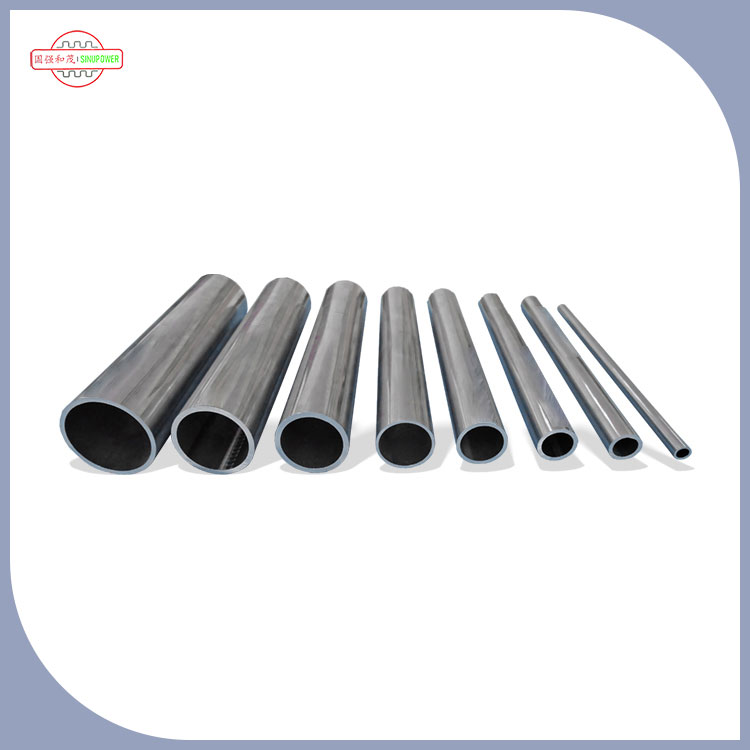
Table of Contents:
Battery cooling systems, particularly cooling plates and tubes, are vital components in the efficient operation of battery-powered devices. Whether in electric vehicles, renewable energy systems, or industrial applications, batteries generate significant heat during charging and discharging cycles. Without proper cooling, batteries can overheat, leading to reduced efficiency, shorter lifespan, and, in extreme cases, battery failure.
Cooling solutions help maintain optimal operating temperatures, ensuring that batteries perform efficiently and last longer. They also reduce the risk of thermal runaway, a dangerous condition that can occur if the battery overheats, potentially leading to fires or explosions.
The basic function of battery cooling plates and tubes is to absorb and dissipate heat generated during the battery’s operation. They achieve this by using a liquid coolant, usually water or a specialized coolant, that circulates through the system.
Battery Cooling Plates: These are thin metal plates, typically made of copper or aluminum, that are in direct contact with the battery cells. Coolant flows through channels embedded in these plates, allowing heat to transfer from the battery cells to the coolant, which is then dissipated away from the system.
Battery Cooling Tubes: These tubes are typically made of high-conductivity materials, and coolant flows through them, absorbing heat from the surrounding battery cells. The design of cooling tubes allows for effective heat dissipation over larger surface areas, ensuring a uniform temperature distribution within the battery system.
There are various types of battery cooling solutions, including passive and active cooling systems. Here are the most common types:
Choosing the right type of cooling solution depends on the size, design, and application of the battery system.
Sinupower is a leading provider of advanced battery cooling solutions, including cooling plates and tubes. Here are some of the key advantages of using Sinupower's products:
By using Sinupower’s advanced cooling solutions, companies can enhance the performance, safety, and longevity of their battery systems, ultimately improving the overall efficiency of their operations.
The primary benefits of battery cooling solutions include improved performance, increased battery life, and enhanced safety. Cooling plates and tubes help regulate the temperature of the battery, preventing overheating and ensuring consistent energy output.
Active cooling involves using a pump to circulate coolant through the system, which provides more efficient heat dissipation compared to passive cooling, which relies on natural convection or conduction. Active cooling is typically used in larger, more powerful battery systems.
Yes, Sinupower offers customizable cooling solutions tailored to meet the specific needs of different battery systems. Whether you need a flexible or rigid cooling solution, Sinupower can design and manufacture the ideal product for your application.
Regular maintenance of your battery cooling system involves checking for coolant leaks, cleaning the system to remove any dirt or debris, and ensuring that the cooling plates or tubes are functioning properly. It's essential to replace the coolant at the manufacturer's recommended intervals.
If you have further questions or would like to learn more about Sinupower’s battery cooling solutions, feel free to contact us.


