

A Round Condenser Tube looks simple—until it starts leaking, fouling, vibrating, or losing heat-transfer efficiency at the worst possible time. If you’re choosing tubes for a new condenser, replacing worn bundles, or troubleshooting performance drop-offs, the “right” tube is the one that matches your cooling water chemistry, duty load, pressure/temperature limits, cleaning method, and maintenance reality. This guide breaks down the practical decisions that buyers and engineers actually struggle with: selecting materials, sizing and tolerances, resisting corrosion and scaling, controlling vibration, and verifying quality with the documentation you need. You’ll also see a clear checklist you can use before issuing an RFQ, plus a FAQ that answers the questions procurement teams and plant operators ask most.
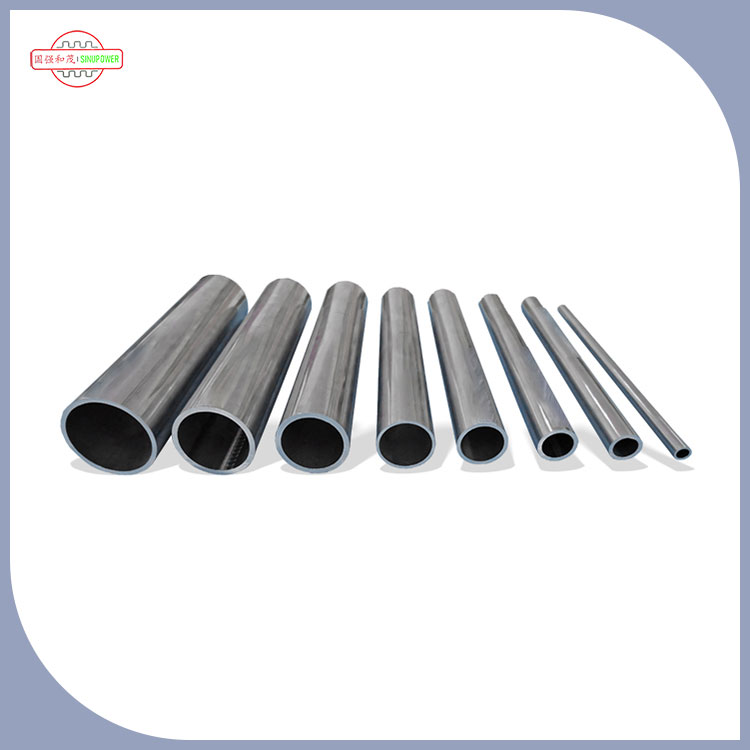
Most condenser tube problems don’t start as dramatic failures. They start as tiny inefficiencies—then turn into expensive downtime. When teams call a tube “wrong,” they usually mean one of these happened:
The goal isn’t just “buy a tube.” The goal is to buy a Round Condenser Tube that stays clean longer, resists your specific corrosion risks, and installs smoothly without rework.
A condenser tube has one job: move heat from a hot vapor/stream to a cooling medium efficiently and reliably. In practice, it must balance four competing demands:
What breaks first depends on your environment. For many plants, fouling starts the chain reaction: fouling reduces heat-transfer, higher temperature differences increase stress, deposits hide corrosion, then a pinhole leak shows up “suddenly.” Treat tube selection as risk control, not a commodity purchase.
Dimensions are where projects quietly fail. If your tube doesn’t match tube sheet requirements and expansion methods, even high-grade material won’t save you.
Start with these inputs:
Practical sizing tips:
If you’re replacing an existing bundle, the safest path is to define the tube as a functional match: OD, wall, length, tolerances, and end prep—then validate the material choice against what failed previously.
Material is the heart of Round Condenser Tube reliability. The best material is the one that survives your water chemistry and cleaning methods while meeting thermal and mechanical needs.
| Common Tube Material | Where It Performs Well | Watch Outs | Typical Buyer Goal |
|---|---|---|---|
| Stainless steel (various grades) | General industrial water systems, moderate corrosion risk | Chloride-driven pitting/crevice corrosion in aggressive waters | Balanced cost and durability |
| Copper alloys (e.g., copper-nickel) | Marine and brackish water in certain designs, good thermal conductivity | Ammonia attack (in some systems), erosion/corrosion if velocity is high | High heat-transfer with controlled water quality |
| Titanium | Seawater and highly corrosive chloride environments | Higher material cost; requires disciplined fabrication and QA | Maximum corrosion resistance, long service life |
| Carbon steel (limited condenser use) | Non-aggressive waters and cost-driven projects | Corrosion risk is often the limiting factor | Lowest upfront cost where feasible |
How to choose without guessing:
When buyers send only “tube material: stainless” with no water chemistry notes, they’re essentially asking the supplier to read their mind. A good purchase spec includes both the operating conditions and the expected risks.
Two tubes can share the same alloy and dimensions, yet behave very differently in service. Why? Surface condition and cleanliness affect fouling tendency and early corrosion behavior.
What to control in your order:
If your condenser suffers from fast fouling, improving surface control and tightening cleanliness requirements can be a surprisingly high-impact fix—often more practical than redesigning the entire exchanger.
Vibration damage is brutal because it’s usually invisible until it becomes a leak. A Round Condenser Tube can experience flow-induced vibration, resonance, and fretting wear at supports.
Ways to reduce vibration-related failures:
If you’ve had repeated failures at the same locations, treat it as a system problem: tube selection, support design, and flow conditions all interact.
Buyers often discover “quality” too late—after the tubes are already on site. The fix is to request clear, verifiable requirements up front.
Recommended quality package items:
This is where a capable manufacturer makes life easier. Sinupower Heat Transfer Tubes Changshu Ltd. works with buyers who need traceable, specification-driven Round Condenser Tube supply—meaning you can align tube requirements with installation methods and documentation expectations from the beginning, instead of trying to “prove quality” after delivery.
Your maintenance team will live with this decision. So build maintainability into the purchase:
If you’re referencing an existing tube design, use the outage report and failure photos as data. The best replacement strategy is usually: keep what worked, upgrade what failed, and document the reasons so the next cycle is easier.
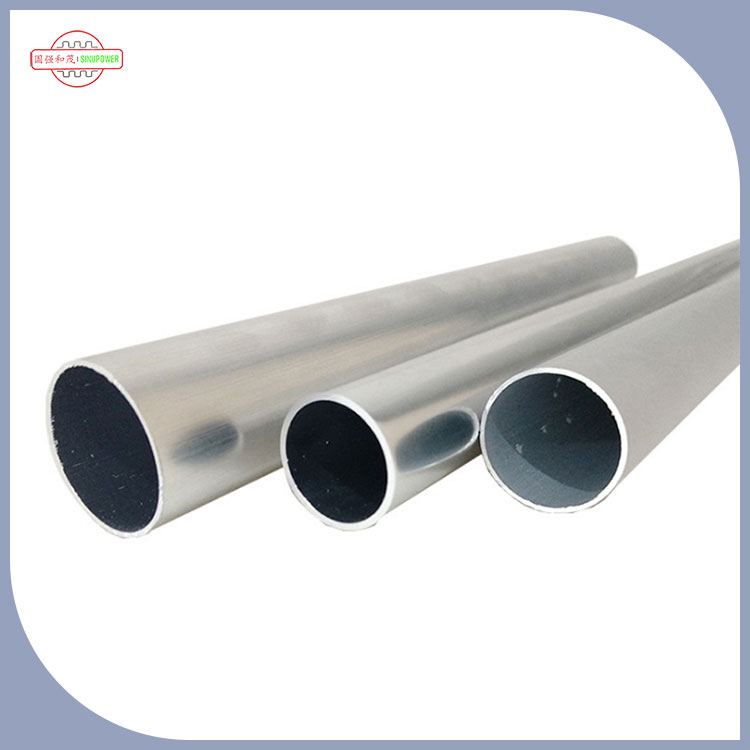
Here’s a simple, high-leverage way to get better outcomes with fewer emails: send a “complete tube brief” instead of a one-line request.
A tube brief should include:
If you want a product reference point for geometry and typical use cases, you can also review the round tube category on the manufacturer’s site and then build your own project-specific spec around it. The key is rewriting the requirements in your own operational language—so what arrives matches what your condenser actually needs.
Q: How many times should “Round Condenser Tube” appear in my specification?
A: The phrase itself matters less than the details behind it. Use it to define the tube category, then focus on material grade, dimensions, tolerances, end prep, testing, and traceability.
Q: What causes condenser tubes to foul so quickly?
A: Rapid fouling usually comes from a combination of water chemistry, biological activity, suspended solids, and surface condition. Improving filtration, treatment control, and tube surface/cleanliness requirements can noticeably extend the cleaning interval.
Q: Should I choose the thickest wall to be safe?
A: Not automatically. Wall thickness affects inner diameter, pressure drop, heat-transfer behavior, and cost. The “right” wall supports your pressure/temperature limits, corrosion margin strategy, and vibration risk without creating unnecessary flow penalties.
Q: Do I need special tests for every tube order?
A: It depends on risk and criticality. For high-consequence systems, adding dimensional checks, traceable reports, and appropriate non-destructive testing can reduce the chance of field surprises. For lower-risk systems, a tighter focus on material traceability and dimensions may be enough.
Q: Why do tubes leak near the tube sheet?
A: Common causes include mismatch between tube OD and tube sheet hole size, improper rolling/expansion, surface damage during installation, crevice corrosion at joints, and vibration stress concentrated near the interface.
Q: How can I speed up my next condenser retube project?
A: Prepare a tube brief, confirm all dimensions from drawings or sample measurements, and align on documentation and packaging early. Ordering a small validation batch before full production can also de-risk tight outage schedules.
A reliable condenser isn’t built on generic tube choices—it’s built on the right match between operating conditions, corrosion risks, installation method, and verification discipline. If you want a smoother retube project and fewer surprises after startup, treat the tube order as a technical package, not a line item.
Sinupower Heat Transfer Tubes Changshu Ltd. supports customers who need dependable Round Condenser Tube supply with clear specifications, consistent quality controls, and practical documentation for plant and project teams. If you’re planning a new condenser bundle, replacing existing tubes, or troubleshooting repeated failures, send your tube brief and operating notes—then contact us to discuss a fit-for-service tube solution that helps protect uptime and performance.


