

Abstract: This comprehensive article explores the Head Pipe for Parallel Flow Condenser, detailing product specifications, applications, and operational guidance. The discussion emphasizes key technical aspects, common maintenance questions, and professional insights on optimizing condenser performance. By understanding the design, material selection, and installation techniques, industrial professionals can maximize efficiency and ensure long-term reliability.
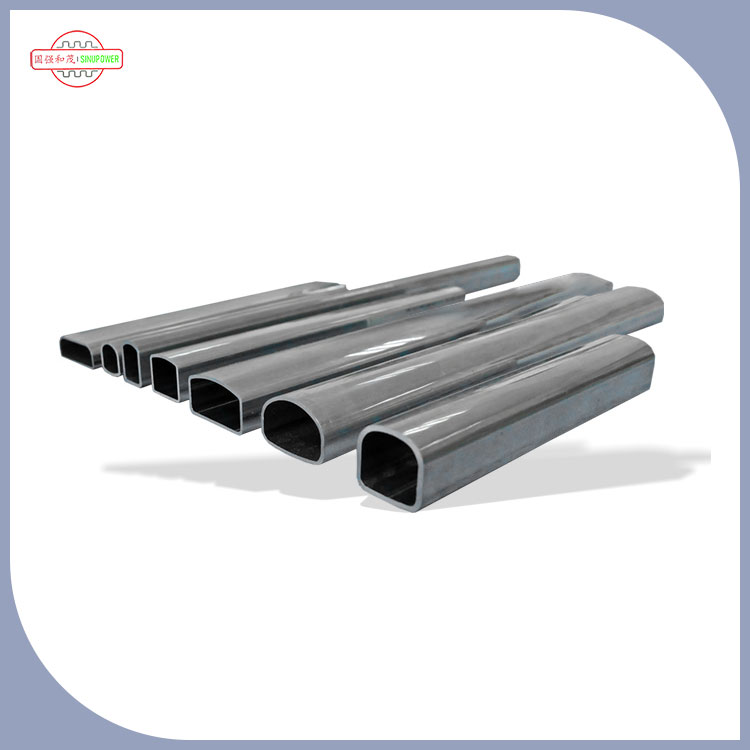
The Head Pipe is a critical component in parallel flow condensers, facilitating uniform refrigerant distribution and ensuring optimal heat exchange efficiency. Parallel flow condensers are widely used in refrigeration, air conditioning, and industrial cooling systems due to their compact design and high thermal performance. The Head Pipe directs fluid flow into multiple channels, maintaining consistent velocity and pressure across the condenser tubes.
This article provides an in-depth analysis of the Head Pipe's design, material selection, and operational considerations. It highlights practical aspects of installation, performance monitoring, and troubleshooting. Professionals seeking to enhance system efficiency, reduce maintenance costs, and ensure long-term reliability will find detailed guidance and expert insights herein.
The following table summarizes the key technical parameters of a standard Head Pipe for Parallel Flow Condenser:
| Parameter | Description | Typical Range |
|---|---|---|
| Material | Copper, Stainless Steel, or Aluminum Alloy | Cu: 99.9% purity, SS: 304/316, Al Alloy: 6061-T6 |
| Diameter | Outer/Inner diameter of the pipe | OD: 25–100 mm, ID: 22–95 mm |
| Length | Total length of the head pipe | 500–3000 mm |
| Connection Type | Flanged, Threaded, or Welded | Industry standard specifications |
| Operating Pressure | Maximum working pressure | 1.0–4.0 MPa |
| Temperature Range | Suitable for various refrigerants | -40°C to 150°C |
| Flow Distribution | Ensures uniform fluid distribution across tubes | ±5% deviation |
Understanding these parameters allows engineers and maintenance personnel to select a suitable Head Pipe that meets system requirements while optimizing energy efficiency and heat transfer rates.
A1: The correct size depends on the condenser's capacity, tube arrangement, and refrigerant type. Begin by calculating the total flow rate required, then select a pipe diameter that maintains optimal velocity without excessive pressure drop. Use computational fluid dynamics (CFD) simulations for large systems to ensure uniform distribution.
A2: Regular maintenance involves flushing the pipe with compatible cleaning agents and inspecting for scaling, corrosion, or deposits. For stainless steel and copper pipes, mild acids or alkaline solutions can remove mineral buildup. Frequency of cleaning depends on water quality, operating temperature, and flow characteristics.
A3: Installation should ensure level alignment with condenser tubes and proper sealing at joints. Use torque specifications recommended by manufacturers to prevent leaks. Avoid sharp bends, and ensure that flow directions match the condenser’s design. Incorporate expansion allowances for thermal contraction.
Effective operation of a Head Pipe for Parallel Flow Condenser requires continuous monitoring and optimization:
Proper alignment, welding quality, and flange connections are critical for maintaining pressure integrity. Industrial-grade gaskets and torque-controlled bolting improve seal reliability. Avoid over-tightening, which can distort the pipe and reduce heat transfer efficiency.
Monitor temperature differentials, pressure drops, and flow uniformity. Installing flow meters or differential pressure sensors provides real-time data to detect imbalances. Any deviation above ±5% from design flow rates indicates the need for inspection.
Common issues include uneven refrigerant distribution, scaling, and minor leaks. Corrective actions involve pipe cleaning, replacement of worn gaskets, or minor re-alignment. Using high-quality materials such as copper or stainless steel reduces corrosion risk and extends service life.
Sinupower provides industry-leading Head Pipes for Parallel Flow Condensers with high-precision manufacturing, robust material selection, and strict quality control standards. To learn more about our solutions or request technical support, contact us today.


